In high-performance environments sleep is the first sacrifice and last priority. But sleep isn't optional, it's operational. Why recovery drives performance.
Sleep is often the first sacrifice and the last priority in high-performance environments. But here’s the truth: if we’re serious about resilience, decision-making, learning, and recovery, sleep isn’t optional. It’s operational.
I felt this keenly during my PC-21 conversion. The days were long, the learning curve vertical.
My mind was crammed with checklists, radio calls, and flows. I knew that my recall, focus, and composure would crumble if I didn't protect my sleep.
So I treated sleep as a mission, just as essential as the sortie itself.
What Happens When We Sleep?
Sleep isn’t just rest—it’s recalibration. While we sleep:
- Our brain consolidates learning and motor skills (checks and cockpit procedures!).
- Stress chemicals like cortisol are metabolised and reset.
- Cellular repair and hormonal regulation ramp up.
- Emotional reactivity is dialled down, improving judgement.
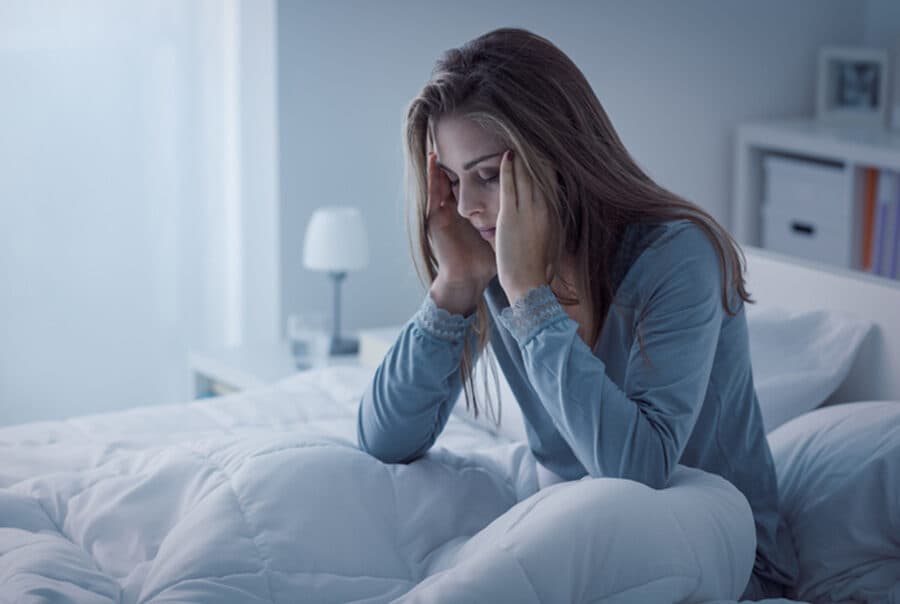
Just one poor night of sleep and the impact can be clear. String a few together, and our reaction time, memory, and emotional control start to slide.
In Defence, that’s not just inconvenient—it’s dangerous.
Tactics to Improve Sleep (Even in High-Tempo Environments):
1. Consistent Timing Wins:
Try to anchor wake time, even if bedtime fluctuates. This stabilises our circadian rhythm and improves sleep depth.
2. Control Light Exposure:
Morning sunlight boosts alertness; turning off dim lights and screens one hour before bedtime helps melatonin function effectively.
3. Drop Our Core Temperature:
A warm shower before bed sounds backwards, but it actually cools our body by drawing blood to thesurface. This drop in core temperature helps signal sleep readiness.
4. Mental Downshifting:
Our minds can loop in high-pressure cycles (like preparing for a flight). Try pen-and-paper journaling to offload thoughts and create cognitive closure before sleep.
5. Caffeine Cut-Off:
Everyone’s different, but a good rule: no caffeine after 2 pm. Stimulants block adenosine, the molecule that helps trigger sleepiness.
During my most intense prep week, I kept my sleep sacred. It wasn’t perfect—but it was prioritised. And that gave me an edge: quicker recall, steadier nerves, and better emotional recovery when the feedback stung.
Performance doesn’t happen despite sleep. It happens because of it.
- Self-Coaching Check-in: Sleep & Recovery:Did I get enough sleep to feel alert and clear today?
- What helped—or hurt—my sleep last night?
- Do I have a wind-down routine, or am I falling into bed still wired?
- What’s one change I could make tonight to sleep better?